Overdose Death Rates. By National Institute on Drug Abuse (NIDA). Glasscote, R.M., Sussex, J.N., Jaffe, J.H., Ball, J., Brill, L. (1932 ). The Treatment of Drug Abuse for individuals like you ...: Programs, Issues, Prospects. Washington, D.C.: Joint Details Service of the American Psychiatric Association and the National Association for Mental Health.
13 Archived 2011-09-27 at the Wayback Device American Psychiatric Association (1994 ). Diagnostic and analytical manual of psychological disorders (4th edition). Washington, DC. Hasin, Deborah S.; O'Brien, Charles P.; Auriacombe, Marc; Borges, Guilherme; Bucholz, Kathleen; Budney, Alan; Compton, Wilson M.; Crowley, Thomas; Ling, Walter (2013-08-01). " DSM-5 Requirements for Compound Usage Disorders: Recommendations and Reasoning".
170 (8 ): 834851. doi:10. 1176/appi. ajp. 2013. 12060782. ISSN 0002-953X. PMC. PMID 23903334. "Diagnostic and Statistical Manual of Psychological Disorders: DSM-5 (5th edition) 2014 102 Washington, DC American Psychiatric Association 2013 xliv +947 pp. 9780890425541( hbck); 9780890425558( pbck) 175 $199 (hbcchvk); 45 $69 (pbck)". Reference Reviews. 28 (3 ): 3637. 11 March 2014. doi:10. 1108/rr -10 -2013 -0256.
" Drug supply and drug abuse". CMAJ. 168 (9 ): 1113, author respond 1113. PMC. PMID 12719309. Archived from the original on 2009-09-06. Wood E, Tyndall MW, Spittal PM, et al. (January 2003). " Effect of supply-side policies for control of illicit drugs in the face of the HELP and overdose epidemics: investigation of an enormous heroin seizure".
168 (2 ): 1659. Substance Abuse Facility PMC. PMID 12538544. Bewley-Taylor, Dave, Hallam, Chris, Allen Rob. The Beckley Foundation Drug Policy Programme: The Imprisonment of Drug Transgressors: An Introduction. March 2009. Prieto L (2010 ). " Labelled drug-related public expense in relation to gross domestic product (gdp) in Europe: A luxury good?". Compound Abuse Treatment, Prevention, and Policy.
doi:10. 1186/1747 -597 x-5-9. PMC. PMID 20478069. " NHS and Substance Abuse". National Health Service (NHS). March 22, 2010. Recovered March 22, 2010. " Home Workplace Taking On Drugs Changing Lives Drugs in the office". 2007-06-09. Archived from the initial on 2007-06-09. Recovered 2016-09-19. Thornton, Mark. " The Economics of Restriction". Owens PL, Barrett ML, Weiss AJ, Washington RE, Kronick R (August 2014).
Which Substitute Drug Is Used In Heroin Addiction Treatment Programs? Fundamentals Explained
HCUP Statistical Brief # 177. Rockville, MD: Company for Health Care Research and Quality. Drachman, D. (1992 ). "A stage-of-migration structure for service to immigrant populations". Social Work. 37 (1 ): 6872. doi:10. 1093/sw/37. 1.68. Pumariega A. J.; Rothe E.; Pumariega J. B. (2005 ). "Psychological health of immigrants and refugees". Community Mental Health Journal.
CiteSeerX. doi:10. 1007/s10597 -005 -6363 -1. PMID 16142540. S2CID 7326036. National Institute on Alcohol Abuse and Alcoholism. (2005 ). Module 10F: Immigrants, refugees, and alcohol. In NIAAA: Social work education for the prevention and treatment of alcohol use disorders (NIH publication). Washington, D.C. Caetano R.; Clark C. L.; Tam T. (1998 ). "Alcohol usage amongst racial/ethnic minorities: Theory and research study".
22 (4 ): 233241 - what does drug addiction means. UNODC. " Understanding Substance Usage Among Street Kid" (PDF). Retrieved 30 January 2014. Cottrell-Boyce, Joe (2010 ). " The role of solvents in the lives of Kenyan street kids: An ethnographic perspective" (PDF). African Journal of Drug & Alcohol Researches. 9 (2 ): 93102. doi:10. 4314/ajdas. v9i2.64142. Retrieved 28 January 2014.
( 2008 ). "Drug abuse in carrying out musicians". Alcoholism: Journal on Alcoholism and Related Dependencies. 44 (1 ): 3742. 622145760. CS1 maint: multiple names: authors list (link) Zlotnick, C., Tam, T., & Robertson, M. J. (2003 ). "Disaffiliation, compound usage, and leaving homelessness". Compound Use & Abuse. 38 (36 ): 577599. doi:10. 1081/ja -120017386. PMID 12747398.
CS1 maint: several names: authors list (link) " Treatment Programs for Compound Usage Issues Mental Health". mentalhealth. va.gov. Retrieved 2016-12-17. McHugh, R. Kathryn; Votaw, Victoria R.; Sugarman, Dawn E.; Greenfield, Shelly F. (2018-12-01). " Sex and gender differences in substance use conditions". Scientific Psychology Evaluation. Gender and Mental Health. 66: 1223. doi:10.
cpr. 2017. 10.012. ISSN 0272-7358. PMC. PMID 29174306. Becker, Jill B.; McClellan, Michele L.; Reed, Beth Glover (2016-11-07). " Sex differences, gender and dependency". Journal of Neuroscience Research Study. 95 (12 ): 136147. doi:10. 1002/jnr. 23963. ISSN 0360-4012. PMC. PMID 27870394. Walitzer, Kimberly S.; Dearing, Ronda L. (2006-03-01). "Gender differences in alcohol and compound utilize relapse".
The Definitive Guide for Which Of The Following Is Not A Key Factor In Determining Your Risk For Drug Addiction?

If drugs like heroin, drug and alcohol could not cause reliance and dependency, the issues of substance abuse and drug-related criminal activity may not exist. However in reality,. What ensures drugs so seductive that even casual users appear to end up being addicted? The answer lies in the way these substances affect your brain chemistry.
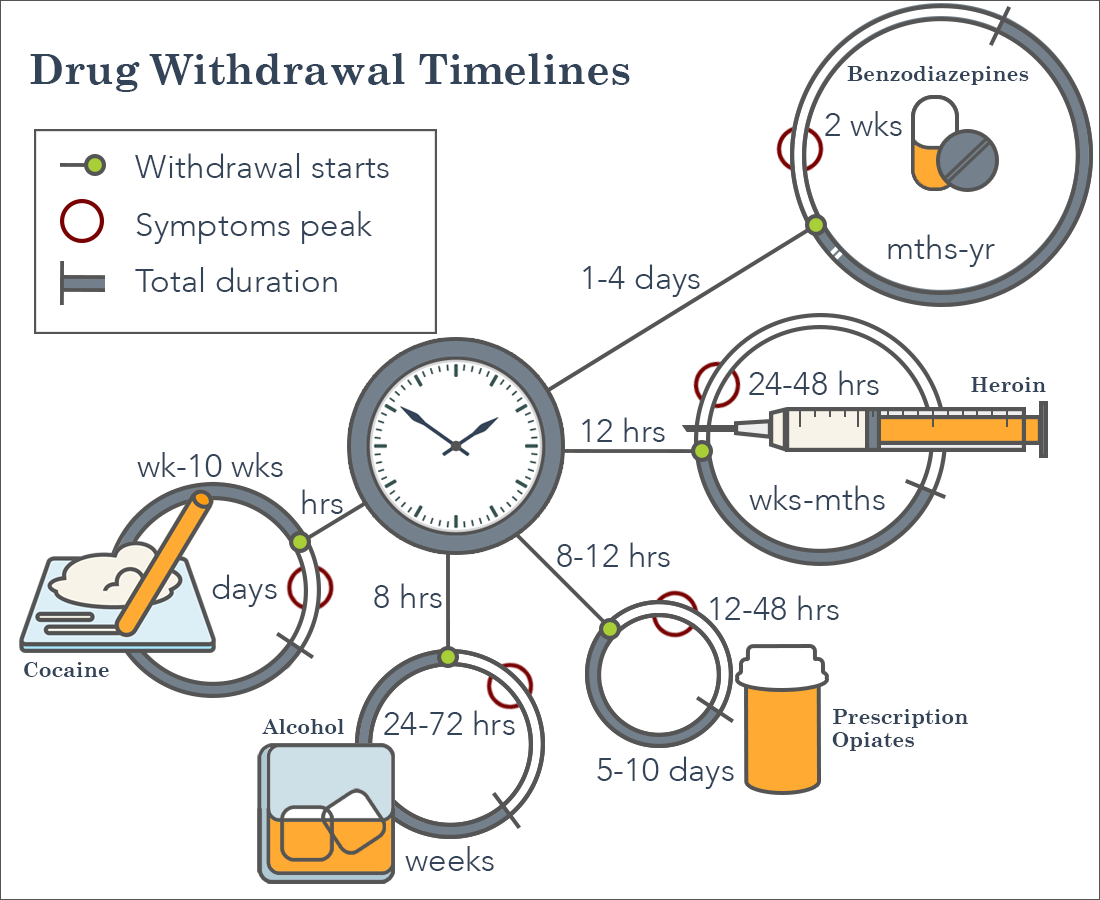
When you consume a liquor, inject heroin, take prescription pain relievers or snort drug, these substances modify the way your brain processes chemicals called neurotransmitters. Each drug acts in a particular way to change the brain's response to stimuli, but the end outcome is that the experience of utilizing the compound is so enjoyable, relaxing or energizing that it triggers your internal benefit system, making you wish to duplicate that experience again and once again.
By this time, you might be showing addictive behavior like: Mental Health Facility Compulsively seeking the drug Continuing to utilize the drug despite the fact that it's obviously Mental Health Doctor triggering harm to you or your enjoyed ones Lying, taking or doing other things that harm your sense of stability in order to get the drug Taking harmful risks in order to acquire or use the drug We can address your concerns about drug dependency and assist you understand why it's so tough to quit, even when drugs are destroying your life.
To comprehend why drugs are addictive,. Physical and mental dependence and dependency aren't always the same thing. Wright State University defines dependence by: A physical reliance on the drug that results in withdrawal signs if you can't utilize the substance A state of tolerance that demands larger amounts of the drug in order to please your requirement for the substance Strong yearnings for the drug that prompt regression when you attempt to stop using or consuming The inability to control how much of the drug you use, no matter just how much you want to stop or curb your routine Reliance doesn't always result in dependency, but it may be tough to tell the 2 conditions apart, and some dependency professionals use the two terms interchangeably.
Drug addiction is typically related to consequences that are damaging to the individual and society, like increased rates of injury, mishaps and criminal activity. It's useful to utilize the two terms independently when you're dealing with habit-forming discomfort medications or other addicting compounds that are utilized for medical functions. Although many individuals who take opioid pain medication on a routine basis can end up being tolerant or reliant, they do not necessarily display compulsive, addicting habits when it pertains to getting or utilizing the drug.
Alcoholics might intend to have only one or 2 beverages at a bar or party, then end up consuming all night and into the morning hours. What makes it so hard for some people to stop drinking once they start, while others don't have problem cutting it off or avoiding alcohol entirely? The response might lie in a mix of brain chemistry and heredity.
Not known Details About How To Understand Drug Addiction
Although medical research study hasn't validated that alcohol addiction is acquired,. If you feel extremely relaxed, giddy, or content after having a few drinks, your brain cells are probably responding to the increased production of chemicals that affect your state of mind. At the same time, alcohol affects the frontal lobe of the brain, which is accountable for feelings, judgment and spontaneous habits.